Majestic, dramatic, and almost impossibly perfect in shape — Mayon Volcano is one of the Philippines’ most photographed landmarks and a symbol of the Bicol region’s natural beauty. Standing at 2,462 meters (8,077 feet), it’s an active stratovolcano that has erupted over 50 times in the past four centuries. The name Mayon comes from the Bicolano word magayon, meaning “beautiful,” a fitting title for its near-perfect cone that has captivated travelers, photographers, and locals for generations.
Why It’s Special
Mayon’s symmetrical beauty isn’t just a geological marvel — it’s deeply woven into local culture and folklore. The most famous legend, the Daragang Magayon (Beautiful Maiden), tells the tragic love story of a princess whose grave became the volcano itself, explaining why locals see Mayon as both breathtaking and untouchable. Its eruptions, while destructive, are seen as reminders of its living presence and power.
Best Angles & Photography Spots
- From Cagsawa Ruins
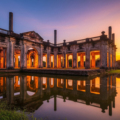
- What You’ll See: The hauntingly beautiful remains of the 18th-century Cagsawa Church, buried during the 1814 eruption, with Mayon rising majestically behind it.
- Best Time: Early morning for soft light or late afternoon for golden-hour glow.
- Pro Tip: Use the bell tower as a frame for the volcano — it adds depth and historical context to your shot.
- What You’ll See: The hauntingly beautiful remains of the 18th-century Cagsawa Church, buried during the 1814 eruption, with Mayon rising majestically behind it.
- From the ATV Trail Routes
- What You’ll See: Rugged lava rock landscapes, lahar fields, and panoramic views of Mayon from different vantage points.
- Best Time: Mid-morning for good light without harsh shadows.
- Pro Tip: If possible, take a drone for sweeping aerial shots — the contrast between the black volcanic terrain and lush greenery is stunning.
- What You’ll See: Rugged lava rock landscapes, lahar fields, and panoramic views of Mayon from different vantage points.
- At Sunrise or After Rainfall
- What You’ll See: A crystal-clear view of Mayon, often without the cloud cover that tends to hide its peak later in the day.
- Pro Tip: Bring a telephoto lens to capture close-up details of the slopes, especially when steam vents are visible.
- What You’ll See: A crystal-clear view of Mayon, often without the cloud cover that tends to hide its peak later in the day.
When to Visit
- Dry Season (November to May): Ideal for clear skies, especially February to April when visibility is highest.
- Early Morning: Clouds often gather around the peak by late morning, so aim for sunrise to mid-morning for unobstructed views.
- After Rain: The air is cleaner, and the volcano appears more vibrant against freshly washed landscapes.
Travel Tips
- How to Get There: Fly to Legazpi City Airport (LGP), then take a short jeepney, tricycle, or private transfer to the viewing spots.
- Where to Stay: Legazpi City offers hotels with rooftop views of Mayon; Daraga has budget-friendly stays closer to Cagsawa.
- Local Experience: Try Bicol’s spicy dishes like Bicol Express or Laing after your sightseeing — the region’s food is as fiery as its volcano.
- Safety Note: Mayon is an active volcano. Always check the Philippine Institute of Volcanology and Seismology (PHIVOLCS) advisories before planning a trek or getting too close to the base.
Fun Fact
Mayon is part of the Pacific Ring of Fire, and despite its destructive history, it has inspired artists, poets, and even appeared in Philippine currency. Locals call it the Pride of Albay, and once you see it in person, you’ll understand why.